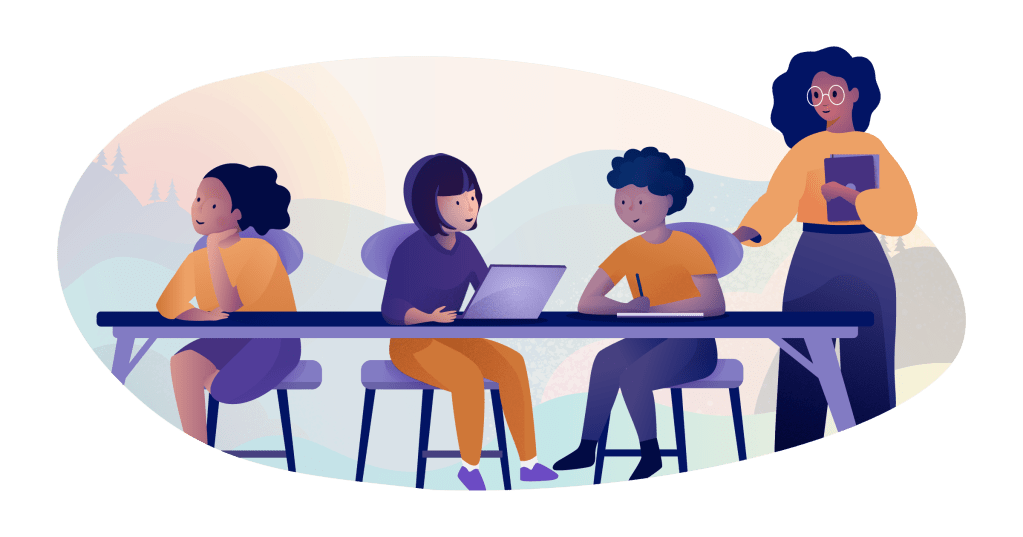
Neurodiversity is the idea that differences in brain function, such as ADHD, autism, dyslexia, and other conditions, are natural variations in the human experience. Instead of viewing these differences as deficits, neurodiversity embraces them as part of the diverse spectrum of human thinking and learning. This perspective encourages a shift in how we approach education.
In the classroom, neurodivergent students often face unique challenges that traditional teaching methods might not address. However, when schools create environments that celebrate diverse ways of thinking, all students benefit. For example, offering flexible learning options, incorporating sensory-friendly spaces, and promoting individualized instruction can help not only neurodivergent students thrive but also improve engagement and understanding for everyone.
By fostering neurodiverse-friendly classrooms, we empower students to embrace their strengths and feel valued. It’s time we move away from one-size-fits-all education and start building inclusive spaces where all learners can succeed.
Supporting neurodiversity in education is not just about accommodations; it’s about creating a culture of acceptance and understanding, where every student can reach their full potential.
 InclusiMind
Leave a comment